


How to Enforce a Monetary Order in British Columbia
If you've received a monetary order from the Residential Tenancy Branch (RTB) in British Columbia, enforcing it is your responsibility, not the RTB’s. This article walks you through the essential steps: how to serve the order, wait out the 15-day review period, and file in Small Claims Court if the other party doesn’t pay.

What Are the Rules for Scheduling a Move-In or Move-Out Inspection in BC?
In British Columbia, landlords and tenants are both responsible for completing condition inspection reports at the start and end of a tenancy. These inspections help prevent disputes by documenting the condition of the rental unit and serve as key evidence if a damage deposit or pet deposit is withheld.

What Are the Legal Alternatives to Breaking a Lease in BC?
In British Columbia, a fixed-term lease is a legally binding agreement. However, life doesn’t always go according to plan, and sometimes tenants need to leave before the lease ends. Rather than risk financial penalties or disputes, it’s important for both tenants and landlords to understand the legal alternatives to breaking a lease early under the RTA and Residential Tenancy Regulation.

What Happens When a Fixed-Term Tenancy Ends in BC?
In British Columbia, a fixed-term tenancy is a rental agreement that has a clear start and end date. Most fixed-term agreements last for one year, but they can be longer or shorter depending on what the parties agree to. Understanding what happens at the end of a fixed term is important for both landlords and tenants to ensure compliance with the Residential Tenancy Act (RTA).

What Is a Tenancy Agreement in BC?
A tenancy agreement is a legally binding contract that sets the terms of a rental relationship between a landlord and a tenant. Whether you're a landlord preparing to rent out a property, or a tenant moving into one, understanding the tenancy agreement is essential.

Understanding Condition Inspection Reports in BC
Whether you’re moving in or moving out of a rental unit in British Columbia, completing a Condition Inspection Report is a key legal step that protects both tenants and landlords. This simple but essential document captures the condition of the property and helps determine responsibility for any damage at the end of the tenancy.

What Tenants Should Know About Legal Evictions and Bailiffs in BC
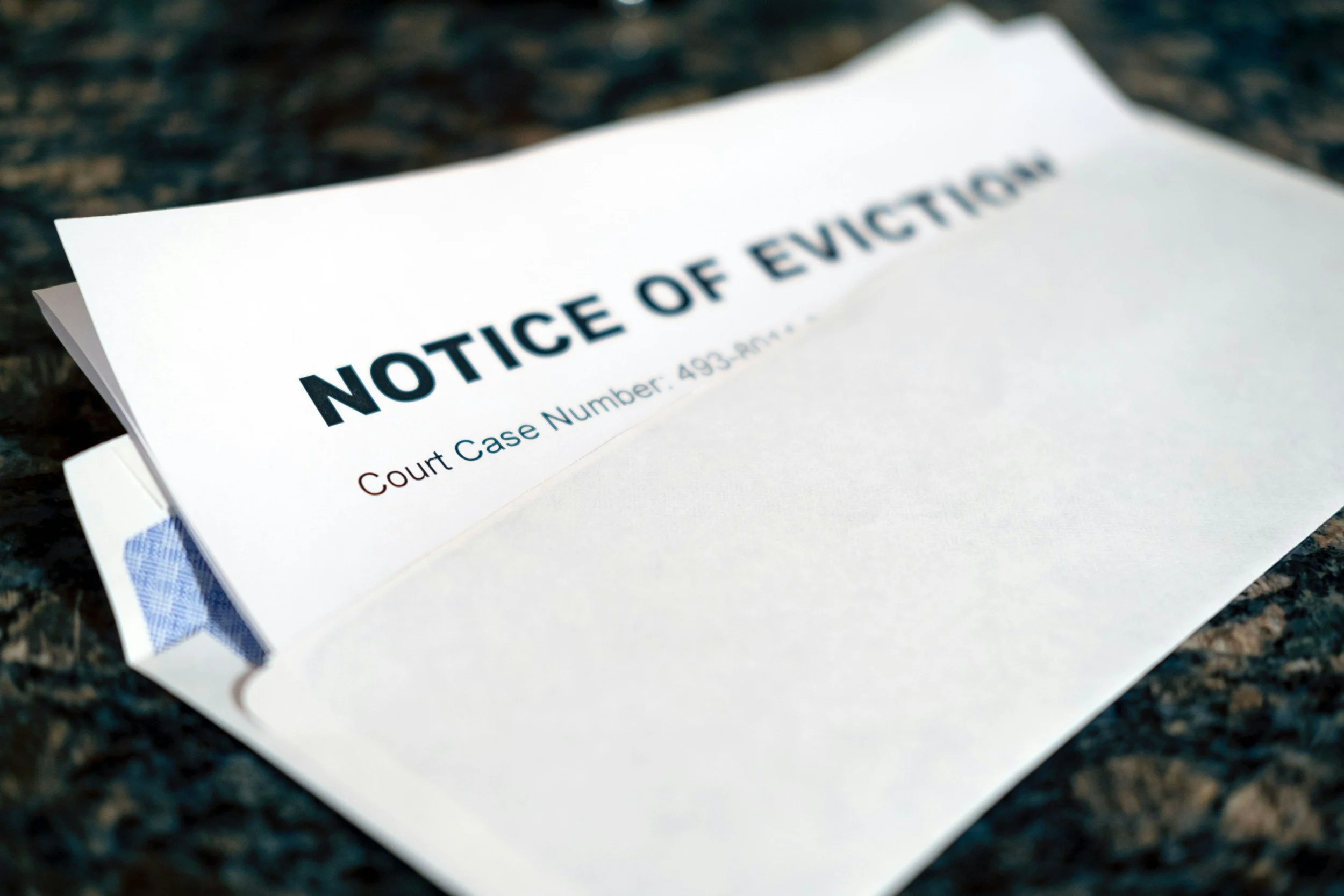
If you receive an eviction notice or Order of Possession from the Residential Tenancy Branch (RTB), it's important to understand your rights and the eviction process. Here's what you need to know.
How to Enforce an Eviction in BC
If you're a landlord in British Columbia and the Residential Tenancy Branch (RTB) has issued you an Order of Possession, it means you have legal grounds to reclaim your rental property. However, you must follow a specific legal process. This article outlines the correct steps to enforce an eviction through the BC Supreme Court and ensure compliance with the Residential Tenancy Act.

What Happens When a Tenant Breaks a Tenancy Agreement in BC?
In BC, breaking a lease doesn't mean owing the full remaining rent. Landlords must try to re-rent the unit, and tenants may only owe for actual losses. This article outlines your options and legal protections.

What Are Expedited RTB Dispute Resolutions?
Expedited RTB hearings in BC are available for urgent tenancy issues like illegal lockouts or emergency repairs. This article covers who qualifies, how to apply, and the strict timelines for serving documents and submitting proof.

How to Participate Effectively in an RTB Hearing in BC
Whether you are a landlord or tenant, this article outlines how to confidently participate in your hearing and improve your chances of a fair and successful outcome.
How to File a Tenancy Dispute with the RTB in BC
Filing a tenancy dispute in BC? This article walks you through the RTB application process, including fees, deadlines, and serving documents correctly.

What Is the RTB?
Learn what the Residential Tenancy Branch (RTB) does in British Columbia, what disputes it handles, and how it fits into the legal system for rental issues.

What Tenants Can Do If a Landlord Falsely Claims They Need to Move In
If your landlord gave notice claiming they or a family member needed to move in, but never did, the tenant may have experienced a bad-faith eviction. Under BC’s Residential Tenancy laws, tenants can challenge these situations and may be entitled to up to 12 months’ rent in compensation. This article outlines tenants’ rights, what to look out for, and how to take action if you believe an eviction was dishonest.

What Are the Essential Terms in a Tenancy Agreement in BC?
Understanding the essential terms in a BC tenancy agreement helps both landlords and tenants set clear expectations from the start. Under the Residential Tenancy Act, certain terms, such as rent amount, tenancy type, start date, and included services, are mandatory to ensure the agreement is legally valid. This article outlines the key components every tenancy agreement must include, helping you avoid common legal pitfalls.

What Is the New 3-Month Eviction Notice Period in BC?
Effective August 21, 2024, changes to British Columbia’s Residential Tenancy Act reduce the notice period for ending a tenancy due to a purchaser’s personal use from four months to three, and shorten the tenant dispute window from 30 to 21 days. These amendments aim to better align rental and real estate timelines while maintaining protections against bad-faith evictions. This article outlines what landlords and tenants need to know about the new rules and their implications.